

Akron Area Hard Water Problems
According to the latest data from the Akron Water Supply Bureau, local water contains measurable levels of naturally occurring minerals like calcium and magnesium which are the primary contributors to hard water. In Akron, average hardness is reported at 118 mg/L (about 7 grains per gallon), which falls into the moderately hard category.
Hard water is common across Northeast Ohio due to regional geology and surface water sources like the Upper Cuyahoga River. While it meets safety standards, it can still cause buildup on fixtures, reduce appliance efficiency, and impact your skin and hair. While DIY cleaning methods can help manage buildup, they don’t stop minerals from continuing to accumulate throughout your home.
According to the U.S. Geological Survey, nearly 90 percent of American homes have hard water – mineral-rich water containing an overabundance of calcium and magnesium.
Hard Water Protection
There are proactive steps you can take to manage hard water buildup in your Akron home. Many homeowners use routine cleaning methods to reduce visible scale on surfaces like faucets, shower doors, and appliances.
Home remedies can help temporarily. Most solutions involve white vinegar, which is a general household cleaning solution:
| Chrome Faucets | Wrap paper towels or rag soaked in vinegar around the faucet and let it sit for an hour. Rinse and wipe it dry. |
| Shower Heads | Take off the shower head and soak it in white vinegar for 12 hours. Scrub with an old toothbrush, rinse and reinstall it. |
| Shower Doors | Spray with white vinegar or white wine to remove lime scale and hard water stains. |
| Dishwashers | Once a month, add a cup of white vinegar to your dishwasher and run it through a cycle. |
| Washing Machines | Add a gallon of white vinegar to the empty washing machine and run through a cycle with hot water. |
| Toilet Tanks | Add three cups of white vinegar to your toilet tank. |
| Coffee Makers | Run a cycle unfiltered through the reservoir full of white vinegar to remove mineral deposits. Run two more full 12-cup brewing cycles with regular water. |
| Sinks and Tubs | Spray the surface with lemon juice or vinegar, let sit for half hour. Wipe clean. |
How To Fix Hard Water Spots On Fixtures and Appliances
Hard water spots are a common issue in Akron homes, especially on fixtures and appliances that come into frequent contact with water. In Akron homes, this is especially noticeable on high-use fixtures like kitchen faucets, shower heads, and glass shower doors where water dries frequently.
Because minerals are left behind as water evaporates, buildup can form quickly and become difficult to remove without regular cleaning or treatment. Fixtures are the hardest places to deal with hard water spots, because often you can’t see the heart of the problem.
An easy way to deal with this, however, is to remove the fixtures (if you can) and soak them in a solution of vinegar or lemon juice. Even if it’s only a few hours, soaking fixtures helps dissolve hard water build up throughout, and can access hard-to-reach places where buildup can be causing the most issues.
If you can’t remove the fixtures, try filling a water-tight plastic bag with your vinegar or lemon solution and tying it to the fixture (rubber bands can be a great way to get this to hold.) Leave it on as long as you can, and you should find your fixtures running clearer than before.
How Hard Water Impacts Plumbing Over Time
Hard water doesn’t just affect what you can see – it also builds up inside your plumbing system.
In Akron homes, minerals like calcium and magnesium can gradually collect inside pipes, which can lead to reduced water flow and added strain on plumbing over time.
This buildup can also impact water heaters, making them less efficient and increasing energy usage as they work harder to heat mineral-heavy water.
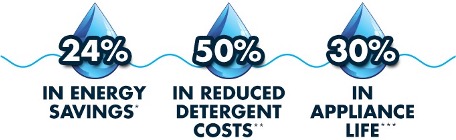
A water softener provides numerous benefits that pay for itself over time.
Shower Head Water Filters For Renters & Non-Homeowner Types
In addition to reducing chemical exposure when you shower, shower head filters can also improve your hair’s shine and feel, as well as support healthier, softer skin by minimizing contact with chemicals and toxins. If you choose a water filter that softens water as well, you’ll also notice that you need less soap, shampoo, and conditioner to get the job done as soft water helps less product lather up quickly – saving you money with every shower.
While these filters can improve water feel, they typically do not remove hardness minerals like calcium and magnesium, which are the primary cause of buildup in Akron homes.
Shower head filters can be useful especially if you live in a dorm, rental home, or apartment, or somewhere that already features whole home water filtration. Not all water filters are created equal, so unless you’ve done the research to know exactly what kind of water filter your water is passing through, it may not make much difference when it comes to your general health, hair or skin care routine.
This means renters may still notice spotting on fixtures or soap residue, even when using a basic shower filter.
Softeners and filtration systems need to be serviced regularly to be effective, so if your landlord or property manager isn’t on top of the recommended maintenance, a shower head filter can be a great choice to ensure your shower is not only safe, but easier on your hair and skin. An extra bonus? Your shower will also be easier to clean, since shower head filters make it less likely water will leave unsightly or hard-to-remove hard water spots and residue on the shower and fixtures.
Why Soap and Detergent Don’t Work as Well in Hard Water
Hard water changes how soap interacts with water, making it harder to create a proper lather.
In Akron, this often leads to soap scum, residue on skin and hair, and the need to use more detergent for everyday cleaning tasks.
As a result, many homeowners notice that products don’t rinse as cleanly and require more effort to get the same results.
Can Soft Water Cause Hair Loss?
No. Changes in hair feel when switching from hard to soft water are common, but hair loss is not directly caused by softened water.
Hard water, however, can:
- Reduce effectiveness of shampoo and conditioner
- Leave mineral residue on hair
- Make hair feel dry or brittle
How Does Hard Water Affect My Skin?
Hard water minerals can leave a film on your skin, which may:
- Clog pores
- Trap oils and bacteria
- Cause dryness or irritation
Soap also reacts with minerals, creating “soap scum” that doesn’t rinse cleanly. This can leave your skin feeling less hydrated after bathing.
Hard water may cause your skin to age faster. Dermatologist Dr. Dennis Gross says many of the impurities in hard water can form free radicals that damage healthy skin cells. This can lead to fine lines and wrinkles. This can also lead to a breakdown of collagen, a structural protein that helps your skin look and feel healthy.
Why Culligan?
The School of Sustainable Engineering at Arizona State University has found that the hard water scaling normally found in the pipes of homes is an active environment for harmful bacteria growth.
How Does Hard Water Cause Bacterial Growth?
The piping used in home plumbing, whether copper or PVC, does not allow the bacteria to settle and grow. But over time, scaling from the hard water provides a surface for bacteria to grow on, increasing the risk of pathogenic bacteria such as Legionella, which can cause Legionnaire’s Disease. As mineral scale builds up inside plumbing over time, it can create uneven surfaces where buildup accumulates more easily.
Lime scale will reduce the flow of water in your plumbing system by clogging pipes. This is particularly a big issue for older homes with steel pipes. Your water pressure can lower over time, possibly requiring a full pipe replacement.
Can Hard Water Contribute To Skin Problems and Eczema?
The chronic, itchy skin rash that affects 20 percent of babies and young children is painful for your child, and a pain for you to deal with. Furthermore, while eczema conditions are known to improve with age, there is no true cure, and its regression is unpredictable in nature. In areas like Akron, where hardness minerals are consistently present, this can add another layer of irritation for sensitive skin.
There are many preventative measures that people practice to mitigate the effects of eczema, or the chances of your child contracting it. Most are related to clothing, detergents, bathing, topical creams, certain diets, and prescription medicine.
But what about the effects of hard water on your baby’s skin? From the bathtub to the laundry, the water used during these essential life events can have an adverse effect on your child.
High levels of hard water may be associated with atopic dermatitis (eczema).
Lead author of the study Carsten Flohr, Ph.D. of the Institute of Dermatology at King’s College London, noted the purpose was not to study the causes and effects of eczema, but rather an association of homes that have hard water and the prevalence of eczema within those homes.
“We are about to launch a feasibility trial to assess whether installing a water softener in homes of high-risk children around the time of birth may reduce the risk of eczema, and whether reducing chlorine levels brings any additional benefits.”
Culligan of Akron/Canton Has Hard Water Solutions
Hard water is a consistent part of daily life in Akron homes, with mineral levels around 118 ppm contributing to buildup on fixtures, reduced appliance efficiency, and changes in how water feels on your skin and hair.
While cleaning methods can help manage visible scale, they don’t stop minerals from continuing to circulate through your plumbing system.
That’s where a long-term solution can make a difference.
Solutions
Suggested Products
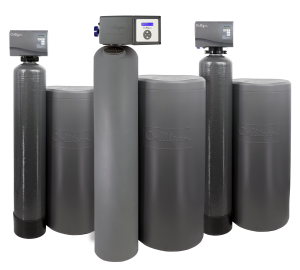
Aquasential™ Smart High Efficiency Water Softener
- Smart brine tank auto-monitors salt levels
- Convenient auto-bypass valve
- Reliable non-corrosive valve
- Worry-free maintenance
How Water Softeners Help Reduce Hard Water
Water softeners are designed to reduce hardness minerals like calcium and magnesium before they enter your home’s plumbing system.
Using a process called ion exchange, softeners replace these minerals with sodium or potassium, helping to prevent buildup and improve overall water quality throughout the home.
With softened water, many homeowners notice:
- Less scale buildup on faucets, shower doors, and appliances
- Improved lathering with soap and shampoo
- Cleaner dishes and laundry
- More efficient water-using appliances
Soft water can also help reduce wear and tear on plumbing systems over time by limiting mineral accumulation.
How Does Hard Water Affect Clothing?
Calcium and magnesium can do a number on your laundry. The fabrics can stiffen, and the color may dull if the dissolved minerals are not suspended in water when it is drained. In Akron homes, this can show up as stiff fabrics, faded colors, or residue left behind after washing.
Many of your laundry detergent molecules are not being used properly, as they bind up the calcium and magnesium. This leaves less of these molecules available to trap dirt and grime.
How Does Hard Water Cause Soap Scum and Spots
Soap scum is the white film that comes from the addition to the fatty contents of soap to the mineral-rich ions of hard water. These are technically called “lime soaps.” Because of Akron’s mineral content, this reaction happens more frequently, leading to visible buildup on sinks, tubs, and dishes.
This type of soap is ineffective in washing dishes, clothes or hair. Because of this, more soap is required to form a lather, and more can stick to your hair and skin. Synthetic detergents are less likely to make this reaction.
Does Hard Water Affect Appliances in Akron Homes?
Water-using appliances can be especially impacted by mineral buildup over time.
In Akron homes, hardness can accumulate inside dishwashers, washing machines, and water heaters, which may reduce efficiency and shorten the lifespan of these systems.
Even moderate hardness levels can create long-term wear, which is why many homeowners look for ways to reduce mineral exposure throughout the home.

Facebook