

Does Your Tap Water Have A Chlorine Smell?
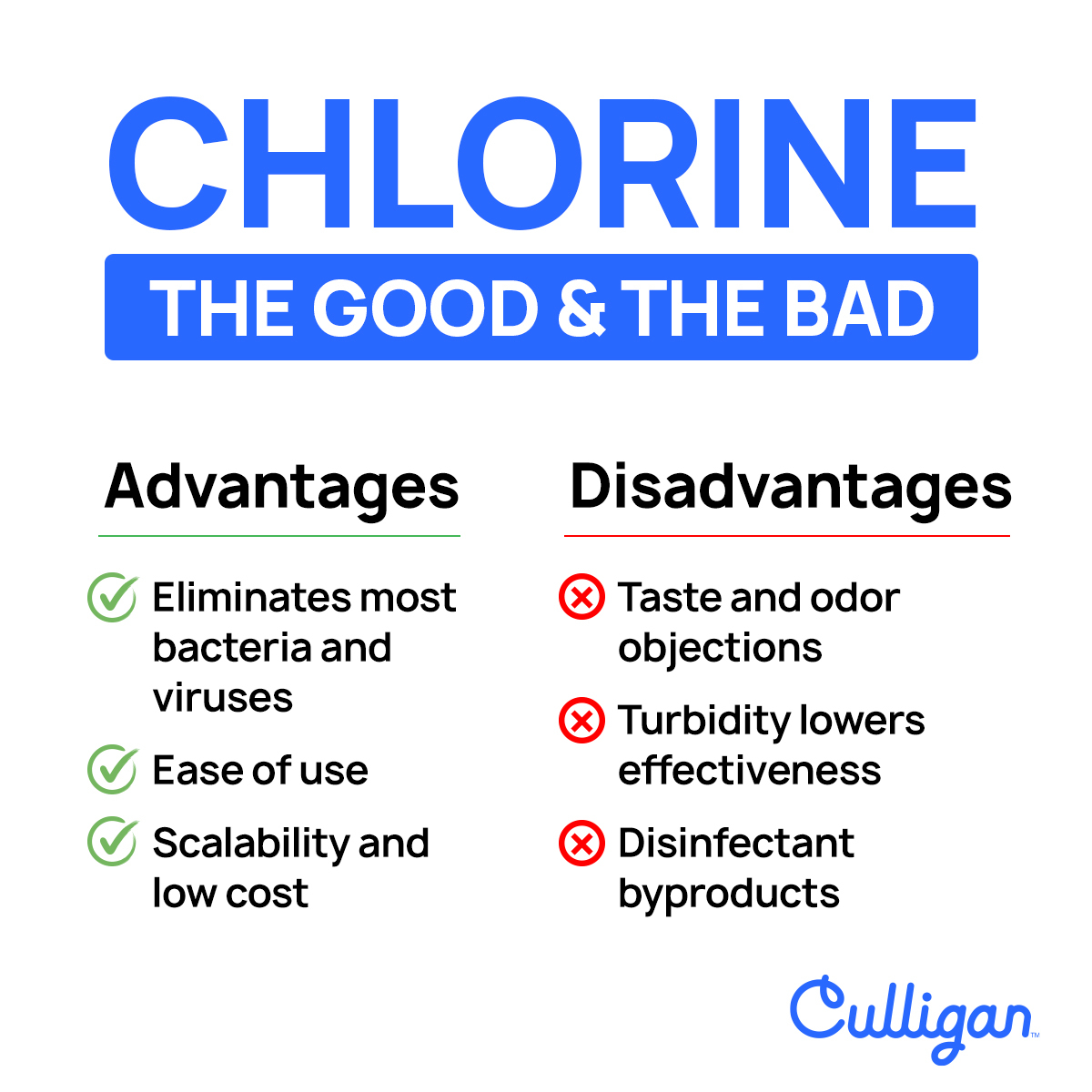
As a disinfectant, chlorine is widely used to remove harmful microorganisms from drinking water. In Akron, water provided by the Akron Water Supply Bureau is treated using chlorine to ensure it remains safe as it travels from surface water sources like the Upper Cuyahoga River through the distribution system.
One of chlorine’s key benefits is that it provides a residual disinfectant effect, meaning it continues protecting water as it moves through pipes and storage systems.
Because Akron’s water travels through an extensive distribution network, maintaining this residual is critical to preventing bacterial regrowth. However, this is also why some homeowners may notice a chlorine-like smell or taste in their tap water.
Current water quality data shows:
- Chlorine is present throughout the system for disinfection
- Disinfection byproducts like TTHMs (68 ppb) and HAA5 (51.3 ppb) are detected
While safe, chlorine can still affect taste, odor, and overall water experience.
Why Does Your Water Smell Like Chlorine?
Many Akron/Canton homeowners notice a chlorine-like smell in their tap water at certain times of the year.
This can happen due to:
- Seasonal changes in source water conditions
- Adjustments in disinfection levels
- Water sitting in household plumbing
Because Akron uses surface water sources, factors like rainfall, runoff, and organic material can influence how much disinfectant is needed, which can slightly impact taste and odor. You may notice stronger chlorine smell in hot water (showers especially), first thing in the morning, or after water has been sitting in pipes.
Chlorines vs. Chloramines: What’s The Difference?
Chlorine and chloramine are both used to disinfect drinking water, but they behave differently.
- Chlorine acts quickly and is highly effective at killing bacteria and viruses
- Chloramine is a combination of chlorine and ammonia that lasts longer in the distribution system
In Akron’s system, chlorine is the primary disinfectant; chloramine is not used, though it comes up in treatment discussions because it provides longer-lasting protection in some municipal systems.
Key differences:
- Chlorine: stronger odor, dissipates faster
- Chloramine: more stable, longer-lasting, milder odor
Both are safe when regulated properly, but each can impact taste and smell differently.
Why Is Chloramine Added To Water?
Water utilities may use chloramine as a secondary disinfectant to maintain water quality over long distances.
While Akron primarily relies on chlorine, the goal is the same:
- Prevent bacteria and pathogen growth
- Maintain water safety throughout the system
- Provide consistent disinfection from treatment plant to tap
Because Akron’s system serves a large area and relies on reservoirs and pumping infrastructure, maintaining disinfectant levels is essential. However, even effective disinfection can lead to the formation of disinfection byproducts, taste and odor concerns, and sensitivity for some individuals.
How To Remove Chloramine From Your Tap Water
If you notice a chlorine-like smell or taste in your water, you may want to consider filtration options designed to reduce chloramines.
This is a common concern in Northeast Ohio homes, especially for those sensitive to disinfectant taste or odor.
Effective solutions include:
- Reverse osmosis systems for drinking water
- Whole-house carbon filtration systems for broader treatment
These systems are designed to reduce chloramines and improve overall water quality throughout your home.
Solutions
Suggested Products
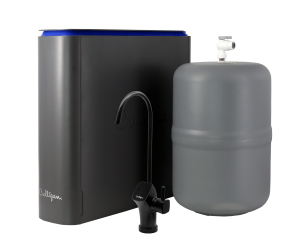
The Aquasential® Smart Reverse Osmosis Water Filter (RO)
- 7 stages of filtration and 12 filter options
- Certified for reduction of 58 contaminants
- 2-in-1 sediment and carbon filter screens out sediment and particles
- Can alert you and your dealer when service or filter replacements are needed
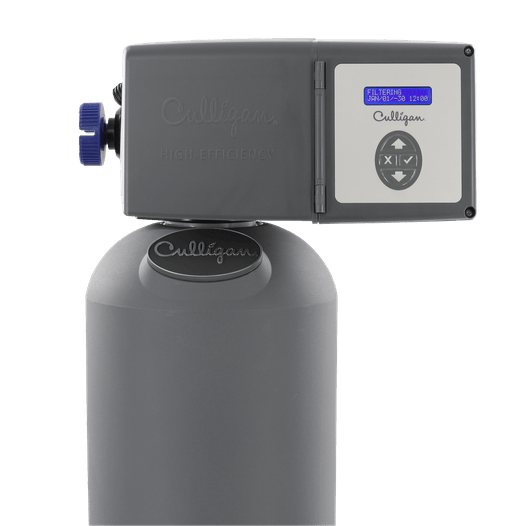
Aquasential™ Smart High Efficiency Whole House Water Filters
Reduce sediments in your water and contaminants that cause your water to appear, taste, and smell unpleasant. Your system can also lessen the taste and odor of chlorine, and prevent pipe damage and staining from low pH water. Additional customizations include:
- Culligan® Filtr-Cleer® Water Filters – Reduces Sediment Problems
- Culligan® Cullar® Water Filters – Reduces Taste and Odor Problems
- Culligan® Cullneu Water Filters – Reduces Acid Problems
Does Akron/Canton Use Chlorine or Chloramines?
Akron’s drinking water system uses chlorine as its primary disinfectant to ensure safe drinking water from source to tap.
According to the local water quality report:
- Chlorine is used to control microbial contaminants
- Residual disinfectant levels are maintained throughout the system
- Disinfection byproducts (TTHMs and HAA5) are present at compliant levels
Because the system relies on treated surface water and large-scale distribution, chlorine remains the most effective and widely used method for maintaining water safety.
However, even at safe levels, chlorine can still contribute to:
- Noticeable taste or odor
- Skin and hair dryness
- Limitations of basic water filters not designed for chlorine reduction
For this reason, many Akron homeowners choose advanced filtration systems to improve water quality beyond basic municipal treatment.

Solutions
Suggested Products
The Aquasential® Smart Reverse Osmosis Water Filter (RO)
- 7 stages of filtration and 12 filter options
- Certified for reduction of 58 contaminants
- 2-in-1 sediment and carbon filter screens out sediment and particles
- Can alert you and your dealer when service or filter replacements are needed
Aquasential™ Smart High Efficiency Whole House Water Filters
Reduce sediments in your water and contaminants that cause your water to appear, taste, and smell unpleasant. Your system can also lessen the taste and odor of chlorine, and prevent pipe damage and staining from low pH water. Additional customizations include:
- Culligan® Filtr-Cleer® Water Filters – Reduces Sediment Problems
- Culligan® Cullar® Water Filters – Reduces Taste and Odor Problems
- Culligan® Cullneu Water Filters – Reduces Acid Problems
Facebook