
Shop Water Treatment Products
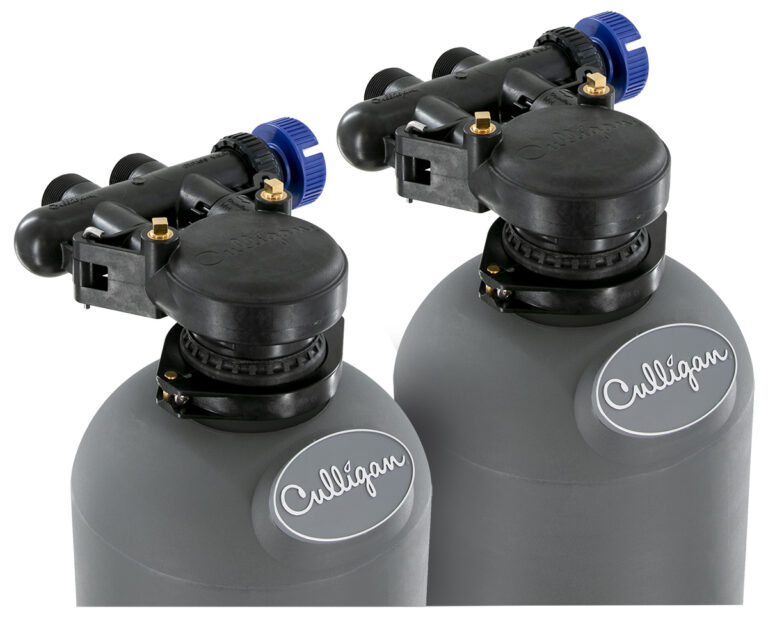
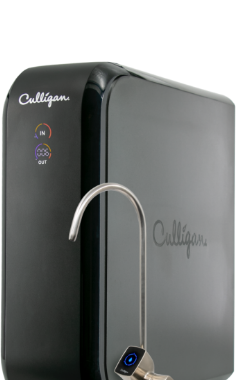
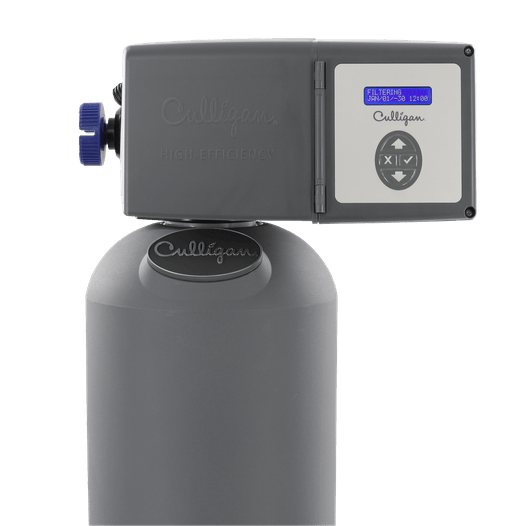
Hudson’s Water Softeners & Filters
Deals
Don’t Miss Out
What’s In Your Hudson Water?
Get a FREE Water Test!
- No mailing — fast results!
- Test any tap in your home
- NEW flexible sample pickup options
Frequently Asked Questions for Water in Hudson, Ohio
Is Hudson tap water safe to drink?
Yes. Hudson’s municipal drinking water meets all EPA and Ohio EPA drinking water standards and has no current violations requiring bottled water or boil advisories. Like all public water systems, trace levels of regulated contaminants are present but remain within legal limits.
Is Hudson’s water hard?
Yes. Hudson’s water is considered moderately hard to hard, which is typical for Northeast Ohio.
Hardness levels generally fall in the range of 120–180 mg/L (approximately 7–11 grains per gallon).
Hard water can cause scale buildup, reduce soap efficiency, and shorten the lifespan of plumbing fixtures and water-using appliances.
Does Hudson’s water contain PFAS (“Forever Chemicals”)?
Hudson’s water supply is connected to the Akron regional water system, which has participated in EPA PFAS monitoring programs. PFAS compounds (such as PFOA and PFOS) have been detected in some Ohio water systems, and continued monitoring is required as new EPA PFAS standards are implemented.
Because PFAS levels can vary by source water and over time, many Hudson residents choose reverse osmosis or advanced carbon filtration for drinking and cooking water as an added precaution.
Does Hudson add fluoride to its water?
Yes. Hudson’s drinking water contains fluoride for dental health.
Fluoride levels are typically maintained around 0.7 ppm, which aligns with EPA and public health recommendations for community water fluoridation.
What other contaminants are in Hudson’s water?
Based on recent Consumer Confidence Reports from the regional supply and routine monitoring, Hudson’s water may contain trace amounts of common municipal water contaminants.
Inorganic contaminants:
- Arsenic: typically ~1–2 ppb (EPA limit: 10 ppb)
- Barium: typically ~0.02–0.04 ppm (EPA limit: 2 ppm)
- Nitrate: typically <1 ppm (EPA limit: 10 ppm)
Disinfection byproducts (from chlorination):
- Total Trihalomethanes (TTHMs): typically ~40–55 ppb (EPA limit: 80 ppb)
- Haloacetic Acids (HAA5): typically ~30–45 ppb (EPA limit: 60 ppb)
These byproducts form when chlorine interacts with naturally occurring organic matter. While legally compliant, they are commonly cited as a reason homeowners consider additional filtration.
Where does Hudson get its water?
Hudson receives its drinking water primarily from the Akron regional water system, which sources water from Lake Rockwell and the Upper Cuyahoga River watershed. Water is treated at Akron Water Supply Bureau facilities and distributed to Hudson through interconnection agreements.
What is the pH level of Hudson water?
Hudson’s water typically falls within a neutral to slightly alkaline pH range, generally around 7.2–7.6, which supports corrosion control, system stability, and acceptable taste.
Should I use a water filter or softener in Hudson?
Yes. Due to hard water and trace disinfection byproducts, many Hudson homeowners benefit from water treatment systems such as:
- Water softeners to reduce scale and protect plumbing and appliances
- Whole-house carbon filtration to reduce chlorine and byproducts
- Reverse osmosis systems for improved taste and reduced dissolved solids in drinking water
Does Hudson water have a high total dissolved solids (TDS) level?
Total dissolved solids (TDS) measure the combined minerals and dissolved substances in water. Hudson’s water is generally below the EPA’s secondary (aesthetic) guideline of 500 ppm, which is typical for freshwater municipal supplies.
Even at compliant levels, dissolved minerals contribute to taste differences, mineral residue, and scale buildup, especially in homes with hard water. Many Hudson residents choose filtration or RO systems to reduce TDS for better taste and long-term appliance protection.
Where can I get a local water quality report?
Hudson’s annual Consumer Confidence Report (CCR) is available through the City of Hudson Public Works Department, along with regional supply data from the Akron Water Supply Bureau. Link to 2024 Report.
The Proof
Why Do Hudson
Homeowners LOVE Us?
He was super thorough, and went above and beyond! It was nice to see someone go the extra mile for the customer, which is hard to find now a days! He explained what he was doing, educated me on some questions that I had, and fixed a few issues that have been a problem for us! Great experience!!

Matt was very professional and helpful. He made sure his work was 5 star and that I was satisfied. I appreciate that type of business! Thanks again
He took the time to double check everything. We are pleased to know that our water is safe for drinking and cooking. His knowledge with water systems is beneficial to the company for future sales.


Facebook