
Why Northeast Ohio Homeowners Choose Culligan For Well Water Treatment
Our systems are second to none. The real advantage is that we make treating well water simple.
-
We Treat Your Water, Not A Category
Around here the question that matters is whether your well draws from the glacial sand and gravel near the surface or from the sandstone bedrock below it. The two give up different water. Ohio EPA’s own aquifer summaries put the median hardness in the sand and gravel at about 352 mg/L, roughly 20 grains per gallon, and the sandstone at about 212 mg/L, roughly 12 grains. That is an eight grain gap between two wells that might sit on the same road. Iron and manganese follow their own pattern, sulfate follows another. Your well log tells us the depth and the formation. The water tells us the rest. We start with a test and build the treatment around your numbers, which is why we won’t quote a system over the phone.
-
Ohio Tested Your Well For Two Things
Private wells in Ohio are permitted by your local board of health, and the rules require a water sample after a well is built, altered or sealed. That required sample covers nitrate and coliform bacteria. That is the whole list. Hardness, iron, manganese, sulfate and arsenic are not part of it. So a well that passed its test told you something real about bacteria and nitrate, and told you nothing about the things that drive treatment decisions in this part of Ohio. After that first sample no agency retests your well and no reminder arrives. It is on you from there.
-
Expert Installation, And We Maintain It
Culligan has been in water treatment for more than 85 years and it’s all we do. Your local Culligan delivers, installs, and maintains the system for you, so there’s no shipping damage, no unboxing, no guessing about install location, and no third-party service line when it needs attention. Schedule an appointment, then enjoy the water.
-
Make Your Water Work For You
On the fence about whether you need treatment? These are the returns that pay a system off over time.
- Over $437 a year saved on soaps, shampoos and detergents in soft water
- Over $115 a year in gas water heater energy savings
- Up to 50% more life out of dishwashers and washing machines
- No more replacing fixtures and appliances that iron ruined early
Local Resources
Northeast Ohio Well Water
Why Does My Well Water Stain
Everything Orange Or Black?
Iron gives you the orange, manganese gives you the black, and in northeast Ohio the pair of them is the defining well water problem. Ohio EPA’s draft 2026 assessment of the state’s aquifers found iron above the secondary standard in about 70 percent of the sand and gravel and sandstone wells it evaluated, with manganese close behind at roughly 64 to 69 percent. Those figures come from public supply wells rather than private ones, so read them as a description of the rock and not a forecast for your house. The one domestic well study anywhere near us points the same direction: when USGS sampled 16 private wells in Geauga County, 10 of them exceeded the standard for iron, manganese or both. Test total iron, manganese, hardness and pH together, because which treatment works depends on all four rather than on the iron number alone.
How Hard Is Well Water
Around Akron And Canton?
Much harder than what the city delivers, and the gap is bigger here than most people expect. Akron’s public supply comes from the Cuyahoga River by way of the Lake Rockwell, East Branch and LaDue reservoirs, and it arrives already treated at about 112 mg/L total hardness, roughly 7 grains per gallon. Raw groundwater is a different animal. Ohio EPA puts the median for the glacial sand and gravel aquifer at about 352 mg/L, close to 21 grains, and the sandstone at about 212 mg/L, around 12 grains. A well on the drift can run three times the hardness of city water, and nobody at the utility is treating it before it reaches your heater. Your own number is a half-hour visit away. Test for it.
We're In Coal Country. Should I Worry
About Mine Drainage In My Well?
Less than the reputation suggests, and the numbers are worth seeing. Ohio EPA’s mine drainage work is a surface water program aimed at southeastern Ohio, not a private well program here. In the aquifers under Summit, Stark and Portage, sulfate ran to a median of 41.7 mg/L in sandstone and 64.7 mg/L in sand and gravel, against 176 mg/L in the carbonate aquifer of northwest Ohio, where gypsum in the Salina Formation drives it up. All three sit under the 250 mg/L secondary standard. Median pH ran 7.24 to 7.33, which is neutral, not the acid range mine drainage produces. So it is not the regional story. What it is, is a tail risk: the same sandstone data set records sulfate as high as 1,320 mg/L and iron as high as 34,600 micrograms per liter in individual wells. A small minority, but severe when it lands on you. If your property sits near old workings, a test settles it rather than a map.
TREATMENT OPTIONS
Three Problems, Three Fixes For Your
Northeast Ohio Well
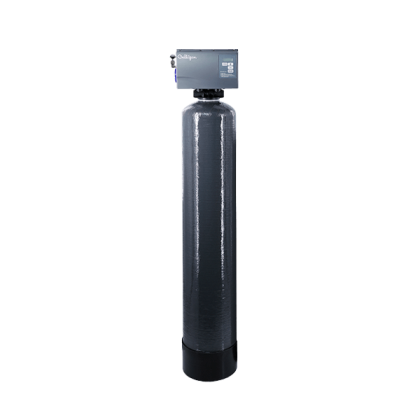
Iron & Sulfur Filtration
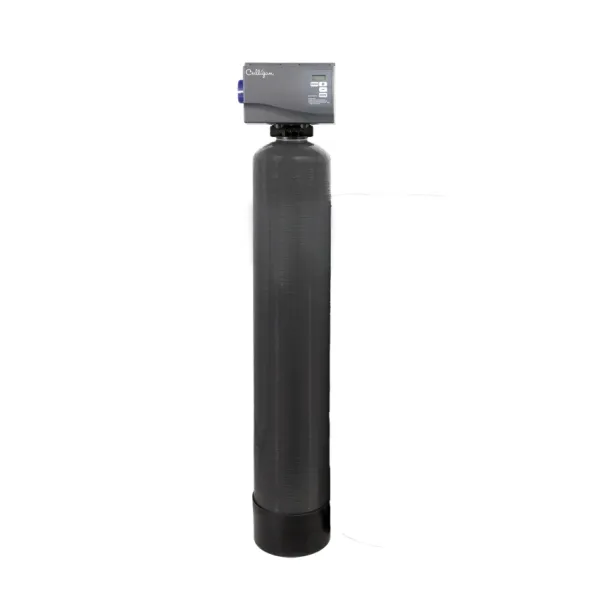
Water Softening
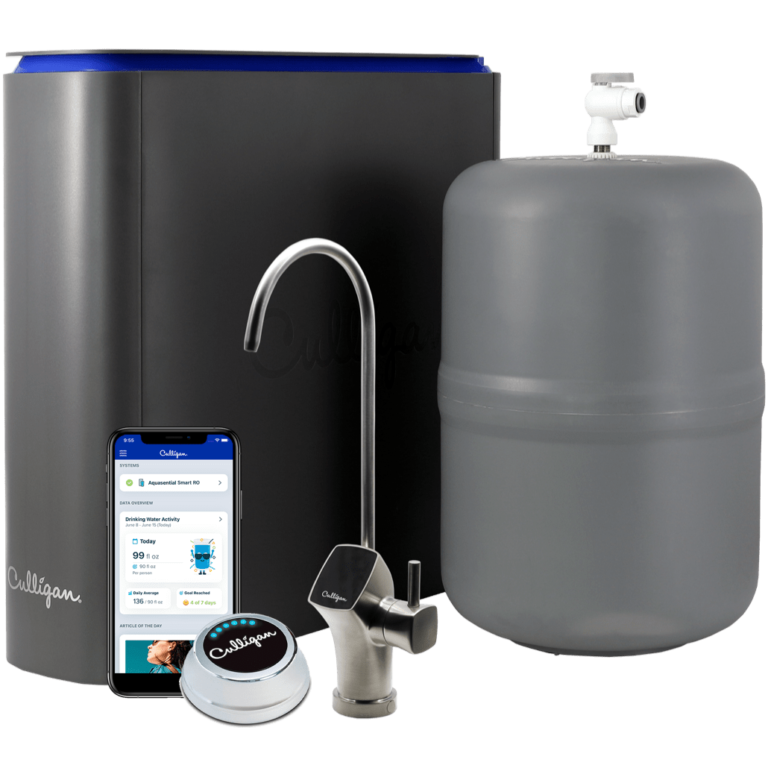
Drinking Water Systems
The Proof
Why Do Northeast Ohio Homeowners TRUST Our
Well Water Treatment Systems?
Could not be happier!

and has given me the best tasting water i have ever had.
Culligan worked with me to have the old system removed. And they did not hold me to our contract, due to the fire.
Rust Stains? Black Specks? Scale?
Find Out What's Really
In Your Ohio Well Water!
• Fast on-site results, no mailing
• We test iron, manganese, hardness and pH
• Flexible sample pickup options

Frequently Asked Well Water Treatment Questions
We Have Answers
Will a water softener remove the iron from my well water?
A softener removes hardness and can carry a limited amount of iron and manganese along with it. Given how often iron runs high on wells in this part of Ohio, a dedicated iron filter is often the right answer instead. A test tells us which situation you're in. Test iron, manganese, hardness and pH together before anyone sells you equipment, because the right method depends on all four.
I keep seeing black specks in the tub and the laundry. What is that?
Manganese. It is the twin of the iron problem and it is close to as common. Ohio EPA's draft 2026 aquifer assessment found manganese above the secondary standard in roughly 64 to 69 percent of the sand and gravel and sandstone wells it evaluated, though those were public supply wells rather than private ones. In the nearest domestic well data we have, USGS sampling of 16 private wells in Geauga County, 10 exceeded the standard for iron, manganese or both. It stains fixtures and fabric black and it comes out with the same kinds of filtration used for iron.
Do I need a softener, a filter, or both?
Most well homes around Akron and Canton end up with both, because hardness and iron are separate problems with separate solutions. Whole home filtration paired with softening is the usual answer for a typical well here.
My well passed its test when it was drilled. Isn't that enough?
It covered two things. Ohio's private water system rules are administered by your local board of health, and the required sample after a well is built, altered or sealed tests for nitrate and coliform bacteria. Hardness, iron, manganese, sulfate and arsenic are not on that list. So the test told you something real, and told you nothing about the things that stain your laundry, scale your heater or shorten the life of your appliances. Nothing retests it after that either.
Is our well water affected by old coal mines?
For most wells around here, no. Ohio EPA's acid mine drainage program is a surface water program concentrated in southeastern Ohio. In the aquifers under this area, sulfate ran to a median of 41.7 mg/L in sandstone and 64.7 mg/L in sand and gravel, against 176 mg/L in the carbonate aquifer of northwest Ohio, all three under the 250 mg/L secondary standard, and median pH ran 7.24 to 7.33 rather than the acid range mine drainage produces. The exception matters though. The same sandstone data records individual wells at 1,320 mg/L sulfate and 34,600 micrograms per liter of iron. Rare, but ruinous where it happens, and only a test tells you which side of that line your well falls on.
Why does my water smell like rotten eggs?
Hydrogen sulfide gas, produced by sulfate-reducing bacteria in oxygen-poor groundwater. It is a nuisance rather than a health hazard at the levels found in most residential wells, and it is the reason a glass of water can smell fine at the kitchen tap and terrible at the outside spigot. No agency publishes prevalence data for sulfur odor in Ohio wells, so we won't quote you a percentage. Which removal method works depends on your iron and manganese levels, which is another reason to test them together.
Should I be testing my well for arsenic?
It is worth doing once, and repeating if the first result is anywhere near the limit. Ohio EPA's aquifer assessment found arsenic above the standard in about 16 percent of the sand and gravel wells it evaluated, again public supply wells rather than private ones. Of the 16 Geauga County domestic wells USGS sampled, 2 exceeded the limit. A softener will not remove arsenic. Reverse osmosis at the tap or a dedicated arsenic adsorption medium will.
I've heard about methane getting into wells from drilling. Is that a risk here?
The incident people usually have in mind is the one in Bainbridge Township, where a natural gas well was drilled and later contaminated 22 domestic wells and one public water system with methane. Two things are worth knowing before you map that onto your own house. It happened in Geauga County, outside the area we serve, and it involved a conventional vertical gas well, not the deep horizontal Utica wells that most people mean when they say fracking. In the same county, USGS found detectable combustible gas in 3 of 16 domestic wells, all of them below the explosive limit. If you have a gas well nearby and want certainty, a dissolved methane test is a separate lab test from anything we do.
Will my water taste salty?
No. A properly functioning water softener will never make your water taste salty. The small amount of sodium added is far too little to create a salty taste.
How does a water softener work?
Through ion exchange. As it removes the calcium and magnesium that make water hard, it replaces those ions one for one with sodium. The amount added is proportional to how hard your water is, and in most cases it isn't a significant contributor to the sodium in your diet.
Will a softener reverse damage already done to my appliances?
Yes. Once a softener is installed it begins removing the scale that hard water built up. It takes a long time to clear, but it will clear.
Are chemicals added to my water to soften it?
Other than salt or potassium chloride, no. A softener reduces the cleaning supplies and detergents going down your drain, which makes it a net positive environmentally.
How often do I need to add salt?
Modern softeners recharge based on how much water you use and how hard it is. Most of our customers add salt once or twice a year.
Why is my neighbor's water so different from mine?
Depth and formation. A well finished in the glacial sand and gravel and a well finished in the sandstone bedrock can sit a few hundred feet apart and deliver water eight grains apart in hardness, because Ohio EPA's medians for those two aquifers are about 352 and 212 mg/L. Iron, manganese and sulfate vary the same way. There is no such thing as a neighborhood water recipe on wells.
Is my well water safe to drink without treatment?
Iron, manganese, sulfur and hardness are aesthetic and nuisance problems at the levels we usually find. Safety questions like bacteria, nitrate and arsenic are separate tests and worth repeating on any private well, whatever the result was the year the well went in. Start with a water test and we'll tell you honestly which category your results fall into.
How long does installation take?
Most residential systems install in a few hours in a single visit. We deliver the equipment, install it, and set it up, so there's nothing for you to unbox or assemble.
We're building a house. When should treatment be designed in?
As soon as the well is drilled and tested. Roughing in space and plumbing for treatment during construction costs far less than retrofitting it into a finished home.
Where should I get started?
Every recommendation we make starts with knowing what is in your water. The test is free, it happens at your house, and it takes about half an hour. You'll get your numbers explained in plain language and an honest answer about whether you need treatment at all.

Facebook